
Do Your Clients Want Ethical Financing? Here’s What Halal Home Financing Means for Real Estate Agents
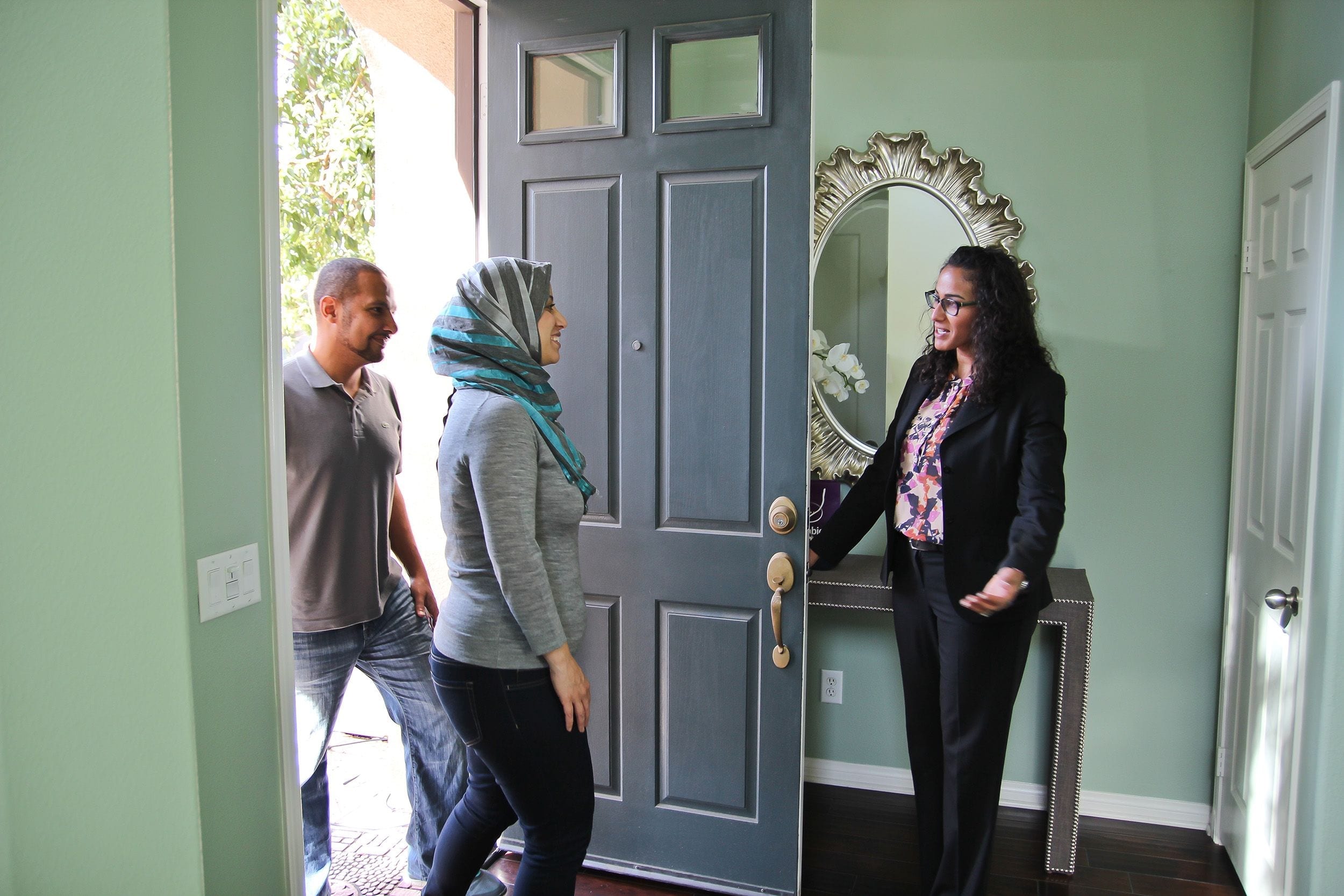
As the U.S. real estate market becomes more diverse, agents are increasingly working with clients who prioritize values-based decision-making, especially when it comes to financing. One growing area of interest is halal home financing, a faith-based approach aligned with Islamic financial principles.
This means that, if you haven’t already had this happen, you may soon have a client ask about “halal mortgages” or “Islamic financing. ” When this happens, you may wonder how it works, whether it exists in the U.S., and how you can support them. This guide prepares you by breaking it down in practical terms. This way you can expand your expertise and better serve your clients.
What Is Halal Home Financing?
In Islamic finance, interest (known as riba) is prohibited. This means both earning interest and paying interest are prohibited. Traditional mortgages, which rely on interest payments, are therefore not considered permissible.
Instead, halal (permissible) financing uses alternative structures that avoid interest.
Additional Islamic financing principles include shared risk, asset-backed financing, and transparent agreements.
Is There Demand for Islamic Mortgages?
Yes! There are nearly 7.5 million Muslims in America, according to Dinar Standard. Median age is 34 — prime homebuying years.
They spend more than $65 billion each year on housing and housing services. And their top unmet need (39%) is housing finance.
There is great opportunity here for agents who can tap into this market.
Are There Halal Mortgages or Home Financing Solutions in the U.S.?
Yes, halal mortgages in the U.S. do exist.
Several financial institutions and specialized financiers offer halal mortgages tailored to Muslim homebuyers. These providers structure their offerings to comply with both Islamic principles and U.S. regulatory requirements.
However, availability may vary by state, and some options are more authentic than others. This makes it especially valuable for real estate agents to be aware of reputable providers and how the process works.
Islamic Mortgage Models
These are the three most common models for halal home financing in the West:
- Murabaha (Cost-Plus Financing): The financier buys the home and sells it to the client at a marked-up price, paid in installments.
- Ijara (Lease-to-Own): The financier purchases the home and leases it to the client, who gradually builds ownership over time.
- Musharakah (Co-Ownership): The client and financier jointly purchase the property, and the client buys out the financier’s share over time.
These structures are designed to comply with Islamic law while still enabling homeownership.
Musharakah is considered the most suitable model as it better incorporates the Islamic financial principle of risk sharing while providing full homeownership rights from the beginning. This is the model Guidance uses.
How Does a Halal Mortgage Work?
Here’s how an Islamic mortgage works with Guidance, the #1 U.S. Islamic home financing provider®.
Every time a customer buys a home through Guidance, an LLC is created. The customer and Guidance buy the home together as co-owners.
The customer then makes monthly payments that include two parts:
- One part goes toward buying more of Guidance’s share of the home.
- The other part is a profit payment that also serves as a usage fee (similar to a rental fee), which gives the customer full usage rights to the entire property.
Over the contract period, the customer buys out Guidance Residential’s stake in the property until it is theirs alone. Even before that point, however, they maintain full ownership rights from Day One. If they decide to sell the home, any profit from the sale is theirs alone.
How Is This Different From a Conventional Mortgage?
Externally, an Islamic mortgage is structured to look similar to a conventional mortgage. And the profit payment is competitive with current interest rates. All of this makes it easy for customers to compare their options, and for regulators to oversee Islamic home financing companies.
However, under the surface, the two types of mortgages are very different.
In a traditional mortgage, the homebuyer takes out a loan to buy the home, and the property is used as collateral. The homeowner then makes payments to the lender that include interest on the loan.
In an Islamic mortgage with Guidance, on the other hand, the homebuyer and financier are co-owners of the home itself via the LLC. (A bank cannot make a purchase like this, as U.S. banks are generally prohibited from owning real estate.)
A halal mortgage is a partnership, not a lender-borrower relationship. The purchase is not a loan, and the homeowner’s payments do not include interest, which is an important factor toward making the process halal.
Does Guidance Work With Freddie Mac?
Yes, for properties financed by Guidance Residential’s Co-ownership Program, Guidance sells its co-ownership stake to Freddie Mac, who then becomes an investor. Guidance continues to be the party to administer the agreement with the customer in accordance with Islamic financial principles. All terms agreed upon in the co-ownership agreement remain unchanged throughout the duration of the contract.
Guidance Residential worked with Freddie Mac and 18 law firms for three years to create a unique legal structure that does not involve the sale of debt and is compliant with Islamic law. Guidance is the only organization in the U.S. allowed to deliver the Declining Balance Co-ownership structure to Freddie Mac.
What Kind of Products Does Guidance Residential Offer?
Guidance offers a variety of payment options including the following:
• 30, 20 and 15-year fixed terms
• 3, 5, 7 and 10 year adjustable terms
• Jumbo financing, refinancing to access equity/cash out, relief and streamlined refinance options
Mortgages are available for single family homes, townhouses, condos and 2- to 4-unit residences as well as investment properties.
Down payments as little as 5% or even less are possible.
What Is the Timeline to Close a File Through Guidance Residential?
Closing is possible in as little as 30 days, depending on third party vendors’ timelines, customer’s responsiveness and credit profile. On average, it takes a minimum of 45 days to close a file from the day the application is taken.
A 30-day timeline is below, assuming no delays from the customer or any third-party vendor:
Day 1: Application Stage – The initial disclosures will be sent to customers within 3 business days. Customers must send the initial documentation package, and an appraisal is ordered by the company.
Day 5: Processing Stage – Application and documents (if received) are reviewed for accuracy and completion. Income calculations are submitted to underwriting. Further documents may be required before submission to underwriting.
Day 10: Underwriting Stage – The file is reviewed including income, assets, liabilities and appraisal. The file goes through quality control process before conditional or full approval is issued.
Day 15: Conditional approval is rendered – Conditions will be sent to the customer to provide.
Day 21: Full Approval – Depending on customer’s responsiveness and conditions submitted, a full approval could be rendered if further documentation is not required based on the documentation received. Full approval requires acceptable appraisal and fully verified assets for cash to close.
Day 23: Clear to Close Stage – All conditions are cleared to indicate homeowner’s insurance. Profit rate locked.
Day 26: Closing Stage – Closing package is sent to title company and final closing disclosure is sent to customer.
Day 30: Settlement (AKA the Closing Date) – Customer reviews and signs closing documents to conclude the transaction. Customer to provide certified check or wire funds as required for closing. Keys are delivered. Deal is COMPLETE.
How Can My Client Get a Halal Mortgage Loan?
A loan that involves interest is not halal, so your clients likely will not be searching for a Muslim mortgage loan, and they won’t find an Islamic mortgage lender in the U.S. Instead, they will need to look for an alternative Islamic financing company that offers authentic Islamic mortgages.
If avoiding interest is important to your clients, they should avoid mortgages affiliated with banks, which are funded by interest. They should also look for a provider with a long track record and positive reviews.
The Home Financing Process
After that, helping a client secure halal financing involves a process similar to traditional home buying, with a few key differences.
Here are the steps:
1. Connect Them With a Halal Financing Provider
Encourage your client to work with financiers who specialize in Islamic finance. These providers will guide them through the mortgage process.
2. Pre-Qualification and Approval
Clients will still need to demonstrate:
- Stable income
- Creditworthiness
- Down-payment capacity
The underwriting process is similar, even if the structure differs.
3. Property Selection and Purchase
Once they’re pre-approved, your role as an agent proceeds as usual: helping your client find and secure the right property and guiding them toward closing.
How Is the Offer Written?
The process of writing the contract and closing will be essentially the same for you. The offer is written as a conventional mortgage contract. Nothing else is different.
What Should Real Estate Agents Know About Halal Financing for Muslim Clients?
Understanding halal lending isn’t just about technical knowledge: it’s about cultural awareness and client trust.
Here are key insights:
1. It’s Values-Driven, Not Just Financial
For many clients, halal financing is non-negotiable. It’s tied to religious beliefs, not just financial preference.
2. Education Is Key
Clients may already be well-informed or completely new to halal mortgages. Be prepared to guide without assuming.
3. Not All “Islamic” Products Are Equal
Some clients may question whether certain products are truly Shariah-compliant. Encourage them to examine the company’s offerings and to consult scholars or trusted advisors if needed.
4. An Islamic Mortgage Can Offer Unique Benefits
Islamic financing can offer additional benefits and protections compared with a conventional loan.
The first benefit is that the homeowner and financier are co-owners, which is inherently a more equitable arrangement than a borrower-lender relationship.
Here are a few more benefits:
Non-Recourse Commitment
In many conventional loan programs, in the case of a default, the borrower’s other assets may be subject to seizure. This can include personal savings accounts, pensions and college funds.
Guidance’s Islamic mortgages have a non-recourse clause, meaning that in the event the customer defaults, Guidance Residential does not have recourse against the customer’s other assets. The customer is only at risk for his/her equity position in the property.
No Pre-Payment Penalty
Unlike some mortgage lenders, Guidance Residential does not apply penalties for paying off the mortgage early.
Capped Late Payment Fee
Late payments are subject only to a small, capped fee that covers the expenses involved in administering a late payment.
Shared Risk
If a property is lost due to a natural disaster or eminent domain, conventional loan providers apply proceeds from insurance or the government first to themselves to pay off the loan, and then to the homeowner if anything is left. With Guidance Residential, however, the proceeds are shared based upon the percentage of ownership at the point of the loss.
Are There Any Concerns I Should Know About Halal Home Financing Options?
While halal financing offers meaningful benefits, it’s important to be aware of potential challenges:
1. Limited Availability
Not all markets have easy access to halal financiers, which can restrict options.
2. Perception and Misunderstanding
Some sellers or agents may be unfamiliar with halal financing, and even some clients have misconceptions. Your role in educating others becomes critical here.
If writing a letter with your offer, you can include text along the lines of this:
Guidance Residential has funded over $10 billion in home financing; hence they are a trusted home financing provider that can ensure a smooth, quick and hassle-free transaction. Guidance is approved by Freddie Mac and other Government Sponsored Enterprises.
That’s about it!
Although it’s structured differently, externally a halal mortgage will appear similar to a traditional mortgage. There’s little difference for you from a practical perspective.
Is Halal Financing Only for Muslims?
No. Although halal mortgages are faith based, any potential clients can take advantage of the consumer-friendly features of the program, regardless of religious affiliation.
How to Help Your New Homeowner Clients Apply for Halal Financing
As an agent, you can add real value by making the process smoother:
- Join a referral network for a halal financing provider such as Guidance Home Services
- Coordinate closely with the financier
- Advocate for your client when sellers or listing agents are unfamiliar with the structure
Position yourself as a knowledgeable partner, not just a transaction facilitator.
Why This Matters for Your Real Estate Business
The demand for halal financing in the USA is growing alongside the Muslim population and increasing interest in ethical investing.
By understanding halal mortgages and lending:
- You expand your client base
- You build trust with underserved communities
- You differentiate yourself in a competitive market
Halal home financing is more than a niche product—it represents a broader shift toward ethical, values-based financial decisions. As a real estate agent, your ability to understand and support these needs can set you apart.
By learning the basics of halal lending, building the right partnerships, and guiding your clients with confidence, you position yourself as a trusted advisor in an increasingly diverse market.
If a client asks, “Can I buy a home without paying interest?” you’ll be ready with a clear, informed answer.
And that’s a powerful advantage.
A Great Homebuying Experience Starts Here
If you have clients who are ready to take the next step toward halal homeownership, Guidance Residential is the #1 U.S. home finance provider.
The team at Guidance Residential is here for you and your clients every step of the way, from pre-qualification and pre-approval to closing.
Learn more and get started on your home finance journey today.
Your Guidance Residential Account Executive is here to help with any questions. Looking to refinance or purchase? Have a friend or family member who is looking for a home? Call 1.866.Guidance, or start an application today.
Written in April 2026.