

Plan ahead for simpler Ramadan meals
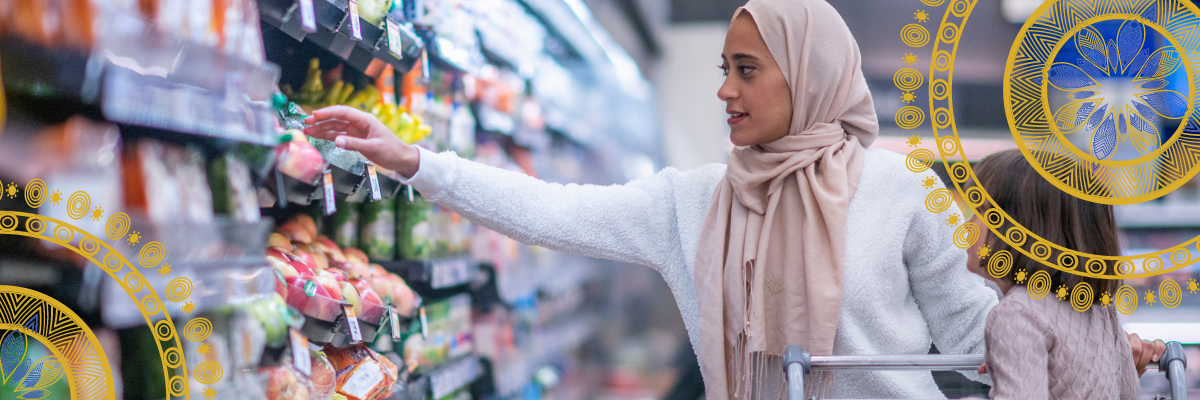
Ramadan is a time of spiritual reflection, self-discipline, and reconnecting with Allah. It’s a month of fasting, not feasting, but so often, many Muslims find themselves spending more time in the kitchen preparing intricate meals than dedicating time to acts of worship.
If you’ve been yearning to shift your focus from meal preparation to your spiritual practice, these practical, time-saving tips can help you reclaim your time and energy.
What is Ramadan?
Ramadan, the ninth month of the Islamic calendar, holds immense significance for Muslims around the world. It is believed to be the month on the Muslim calendar when Islam’s holy book was first revealed to Prophet Muhammad. Muslims observe this sacred time every year with fasting, prayer, and reflection.
Why Do Muslims Fast?
Fasting during this holy month is one of the five pillars of Islam. During this month, adult Muslims abstain from food, drink, and other physical needs from dawn until sunset as an act of worship and obedience to Allah.
But Ramadan is more than just a period of restraint — it is an opportunity to strengthen faith, seek forgiveness, and become closer to Allah through acts of devotion like reciting the Qur’an, performing extra nightly prayers, and giving to charity.
How Is Ramadan Observed?
Muslim communities come together during this month on the lunar calendar to spend time together and to help those in need even more than usual.
Friends and neighbors often will meet to break their fast together in the evening, and then many Muslims will go to the local mosque to participate in a special night prayer. They will also typically give more in charity during this month.
What Are the Benefits of Ramadan?
Ramadan fasting strengthens participants’ discipline, self-restraint, gratitude, and compassion for those who are less fortunate, all while purifying the soul and elevating one’s spiritual state. As a side benefit, fasting also offers health benefits to Ramadan observers.
What Is the Eid al-Fitr Celebration?
The end of Ramadan is followed by the celebration of Eid al-Fitr when the next new moon is sighted.
This joyous holiday brings families and communities together in unity and gratitude. They wear new clothes, attend a special prayer, and celebrate together.
Why Simplifying Meals Matters in Ramadan
The essence of Ramadan lies in worship, self-control, and gratitude. While breaking the fast with a delicious meal is an important occasion, it’s easy to get caught up in the idea of preparing lavish meals, leaving little time for Qur’an recitation, extra prayers, or family bonding.
By simplifying your approach to meal preparation with a Ramadan meal plan and some strategic Ramadan meal prep, you free up precious time for ibadah (worship) and ensure you align your daily activities with the spiritual priorities of Ramadan.
Less Time at the Stove, More Time in Salat (Prayer)
Ramadan meal planning focuses on advanced preparation of high-protein, fiber-rich, and slow-release energy foods to sustain energy. Here are some tips for minimizing food preparation time, maximizing worship time, and making the fasting hours easier and more productive.
1. Cook in Advance
Prepare meals in bulk before the holy month of Ramadan begins. Cooking large portions of soups, one-pot stews, or casserole dishes that you can make ahead and freeze can save you countless hours later.
You can also prepare portions of staples such as cooked ground meat or marinated chicken breast. That way, you can pull together an easy recipe with minimal prep on afternoons when you realize you don’t know what’s for dinner tonight.
Opt for nutrient-dense dishes that provide energy for fasting, such as lentil soup, vegetable dishes, or grilled proteins. Then you can pull out one of the containers and pull together a quick and easy full meal. Just add a side or two that will provide healthy fats, veggies, and some complex carbs to help the family feel satisfied and stay energized.
Not only does this save time spent over the stove, but it also reduces daily decision-making stress. It will be a relief to know that all of the day’s meals are already planned and you can focus on what’s truly important.
Make It Work:
Label frozen meals clearly to avoid confusion.
Invest in quality freezer bags or containers to lock in freshness.
2. Plan Your Meals
Meal planning is key for efficient Ramadan cooking. Sit down with your family before the month of Ramadan begins and decide on family favorite meals for suhoor (pre-dawn meal) and iftar (fast-breaking meal).
Here are some ideas to consider:
Soups & Stews
Soups and stews make easy Ramadan recipes to freeze and reheat for iftar. Lentil soup, shredded chicken and vegetable soup, or a simple tomato-based vegetable soup can be cooked in large batches and frozen in individual portions. Chickpea or black bean stews also hold their flavor well and are comforting after a long day of fasting. Just add fresh herbs or a squeeze of lemon after reheating for a fresh taste. Casseroles and one-pot meals are also classic meal-prep options.
Curries & Saucy Dishes
Curries are good for make-ahead meals because the deep flavors only improve with time. Chicken curry, vegetable curry, lentils (daal), or chickpea masala can be frozen in airtight containers and served with freshly made rice or flatbread. For lighter options, try spinach-based dishes or mixed vegetable curries that reheat quickly and remain filling without feeling heavy. Keep in mind that some families find that they need to go easier on spices during Ramadan.
Breads & Dough-Based Items
Flatbreads, parathas, and wraps can be partially cooked and frozen with parchment paper between each piece. Even dough for pizza-style flatbreads or savory buns can be prepared in advance and baked fresh when needed. Having bread ready in the freezer saves time and completes any meal quickly.
Breakfast & Suhoor Freezer Ideas
Breakfast foods typically don’t take long to make, so it’s not too hard to pull together scrambled eggs or hard-boiled eggs on the spot. But suhoor can benefit from advance prep too. Breakfast burritos, savory muffins, or stuffed wraps filled with eggs and vegetables freeze well and can be reheated easily. These options are especially helpful on early mornings when energy is low.
If you have a little time at night, you can also prepare some overnight oats made with almond milk, chopped nuts and dates, or just set aside some Greek yogurt and honey or fruit for family members with a bit of a sweet tooth.
Tips for Freezing Ramadan Meals
Freeze meals in airtight containers that can easily be thawed and reheated for convenience
Label containers with names and dates to avoid confusion
Let food cool completely before freezing
Be aware that some foods may suffer in terms of texture after freezing, such as rice, pasta, and potatoes
Pair frozen main meals with fresh sides like salad or fruit for balance
Choose a rotation of simple, healthy dishes that everyone will want to eat in order to streamline the process. Keep cultural favorites, but ensure meals aren’t overburdened with excessive variety or complexity, and avoid fried foods, which can increase thirst.
A little bit of prep work before Ramadan begins can reduce daily stress and allow you to approach each fast with ease. Then you can enjoy peaceful, nourishing iftars throughout the month.
Tips:
Create a weekly meal calendar and display it in the kitchen.
Focus on high-energy meals that sustain you throughout the fast.
3. Stock Up on Pantry Staples
No one wants to go grocery shopping toward the end of a long day of fasting. Before Ramadan begins, stock your pantry, fridge, and freezer with essentials.
Check that you have the spices you use, along with rice, pasta, lentils, canned goods, and aromatic spices. If you like baking, ensure you have items like flour and yeast on hand.
With your pantry stocked, you can cut down on grocery runs during Ramadan and just head out for perishables such as fresh fruits and enough vegetables for the week’s main meals.
If you have kids who enjoy drinks other than water, keep some of those on hand too to encourage them to drink plenty of liquids. Coconut water can be especially refreshing, but if they will guzzle Gatorade, then perhaps Gatorade it must be. The priority is staying hydrated.
Essentials to Stock:
Dried dates (a traditional iftar food)
Olive oil and ghee
Nuts, seeds (like sunflower seeds or chia seeds), and frozen berries for snacks or smoothies
4. Organize Your Kitchen
An organized kitchen equals an efficient workspace.
Before the month of Ramadan begins, clear any unnecessary clutter and rearrange frequently used kitchen appliances, such as blenders or food processors, to easily accessible spots. Store spices and cooking utensils within arm’s reach of your stove to reduce preparation time.
Ensuring your kitchen is well-ordered improves the smoothness of meal prep, helping you finish faster.
Ideas for Organization:
Use drawer-style storage for spices.
Dedicate a corner for Ramadan essentials like dates.
Declutter countertops to maximize prep space.
5. Keep It Simple
Food in Islamic tradition is simple and wholesome. During the month of Ramadan, resist the pressure to create elaborate iftar spreads. Instead, focus on balanced meals that are nutritious and easy to prepare. Aim for dishes that meet your basic needs — a soup, a salad, a protein, and a side.
By simplifying iftar, you also make cleanup less demanding, providing more time for worship.
Examples of Simple Meals:
A pot of lentil soup with fresh bread
Grilled chicken with a side of greens and rice
Stuffed vegetables cooked in tomato sauce
6. Share Cooking Duties
Cooking doesn’t have to be a one-person responsibility. Get your family involved to make preparation more manageable and enjoyable. Assign tasks according to age and ability, such as chopping vegetables, setting the table, or mixing dough.
Not only does this lighten the load, but it also creates an opportunity for bonding and family connection.
Quick Collaboration Tips:
Meal prep together.
Teach children simple Ramadan recipes using age-appropriate tasks.
Rotate cooking responsibilities among family members.
7. Use Time-Saving Gadgets
Modern kitchen gadgets can be a game-changer for busy Ramadan schedules, making the fasting period easier on the cook. Slow cookers, instant pots, and air fryers enable you to prepare flavorful dishes with minimal active work.
With a slow cooker, for instance, you can set a stew to cook while you read your Qur’an. Similarly, blenders and food processors make prepping sauces or smoothies far easier.
You can also use other forms of technology such as online recipe developers to help you make a balanced meal out of ingredients you have on hand.
Gadgets Worth Considering:
A blender for suhoor (breakfast) smoothies
A slow cooker for soups or meat dishes
An air fryer for quick, healthier frying
8. Repurpose Leftovers
Leftovers are a hidden blessing during Ramadan — they minimize waste and save significant time. Instead of cooking entirely new meals every day, consider repurposing leftovers creatively.
For example, transform roasted vegetables into soups, use rice for quick fried rice dishes, or shred leftover chicken for wraps or salads.
Helpful Practices:
Label leftover containers with dates for easy tracking.
Reimagine simple meals using different spices or condiments.
Store small portions for quick suhoor options.
9. Break Fasts Together as a Community
If you have family, friends, or community members you regularly share your Ramadan meals with, consider potluck-style iftars. Each household can contribute one dish, significantly reducing the overall effort required to lay out a feast.
This brings the joy of togetherness while enabling more time to focus on acts of worship.
Etiquette for Shared Meals:
Coordinate in advance to avoid duplicate dishes.
Provide to-go containers for leftovers.
Remember to keep meal contributions modest and balanced.
10. Focus on Nourishing the Soul
Most importantly, remind yourself of the purpose behind fasting. Food is secondary to strengthening your connection with Allah and growing in piety. Use the time you save with these tips to pray Taraweeh, recite Qur’an, or reflect on the blessings in your life.
In many cultures Ramadan meals tend to be elaborate and exhausting. But food in Islamic tradition is simple. Free yourself from unnecessary expectations and burdens, so you can focus on feeding the soul.
Final Thoughts
Ramadan is a time for spiritual growth, and simplifying the way you approach meals can help you direct your focus toward what truly matters — your connection with Allah.
By planning ahead, organizing your home, and involving loved ones, you can spend less time at the stove and more time in salat. Remember, the true reward of this holy month is in what you give to your soul, not what you put on your plate.
Ramadan is a fleeting guest. At Guidance Residential, we wish you a blessed Ramadan.
Ramadan wishes from Guidance Residential
Every Ramadan we’re reminded of the blessings of home. Since 2002, Guidance Residential has helped over 40,000 families celebrate this holy month in their new home. We are so thankful to be part of their celebration, and we wish you a joyful and meaningful Ramadan. Ramadan Kareem!
Guidance Residential remains the #1 U.S. Islamic home financing provider, with more than 40,000 families assisted over more than 20 years. Learn more about our co-ownership model of Islamic home financing, and get started on your home finance journey today.
The team at Guidance Residential is here for you, from the first step of pre-qualification or pre-approval, on through to finding the right real estate professional for you and your family — or refinancing a home you already own. We invite you to explore the home buying process with Guidance Residential today. You can also instantly calculate an estimate specific to your personal situation with our finance calculators online.
Your Guidance Residential Account Executive is here to help with any questions. Looking to refinance or purchase? Have a friend or family member who is looking for a home? Call 1.866.Guidance, or start an application today.
Originally published in May 2019, updated January 2026.