
How Religious Leaders Can Help Guide Communities Toward Halal Financing Options

Muslim communities across America are fortunate to be guided by devoted, knowledgeable leaders who want the best for their communities. These leaders want to support individuals and families so they can grow in their faith and succeed in the ways that matter most.
One important component of that is stability. Families who put down stable roots have an advantage when it comes to supporting the next generation – the future of the Muslim ummah. The ability to buy a home in a halal way is a critical piece toward supporting this goal.
Our religious leaders can make a big difference when it comes to making Muslim families aware of their options. This article will show you how.
Why Does Homeownership Matter for Muslims?
First, it’s important to note that homeownership isn’t a luxury. It provides stable roots for families to grow and thrive, which in turn allows them to build strong Muslim communities.
Homeownership Benefits for Families
Here are some important benefits associated with homeownership, according to the International Housing Association and Habitat for Humanity:
- Families don’t move as often
- Parents are less likely to get divorced
- Kids enjoy better health
- Students see greater success in school and they’re more likely to graduate
- Teen pregnancy rates are lower
Children of homeowners buy their own homes 25% earlier, which provides more time for their home equity to increase, supporting generational wealth for their future children as well.
The benefits are even stronger for families who are not already wealthy:
Low-income homeowners accumulate more wealth than renters in comparable situations. They also see higher financial returns when compared to high-income homeowners.
Homeownership helps keep families out of debt and achieve financial freedom.
Homeownership Benefits for Communities
Homeownership is just as good for communities:
Owned properties are typically maintained better than rental properties, which makes neighborhoods safer.
Homeowners are also more engaged in their local communities. They’re more likely to take part in local organizations, vote, and attend a house of worship.
Homeownership empowers families and communities. These are benefits our Muslim families deserve to enjoy now as they also set the stage for a stronger future.
How Can Muslims Get Shariah-Compliant Home Financing?
For many years, practicing Muslim families were essentially blocked from the benefits of homeownership. That’s because they couldn’t find halal financing to buy a home the Islamic way without paying interest.
They had to either take out a traditional mortgage and pay riba via interest-based lending, or they had to pay in cash, which most families couldn’t afford to do – especially the families that needed the benefits the most.
Alhamdulillah, Shariah-compliant home financing solutions are now available.
What Should Halal Finance Look Like for Muslim Americans?
A growing number of halal financing options are now available for Muslim homebuyers. This is an amazing development. But it now means families need to evaluate their options to find one that’s truly authentic and complies with Islamic law.
This is where they look to our leaders for guidance.
Halal Finance Options
As a recap, there are three main models with different payment structures that are options for halal home financing in the West.
1. Murabaha
In a Murabaha contract, the financial institution buys the home on behalf of the homebuyer and then sells it to the home buyer at a higher price.
2. Ijarah
Ijarah is a rent-to-own structure where the bank buys a property for the customer and then rents the home. A portion of the monthly rent payments then goes toward the purchase of the home.
3. Musharakah
A Musharakah contract is a co-ownership agreement between the homebuyer and the financing company, in which both parties invest in the property together as partners. Each party owns a share of the home based on down payment and the percent of the purchase price they paid.
In a version called Diminishing Musharakah, or the Declining Balance Method, the homebuyer gradually buys out the financier’s share of the property. As part of their monthly payments, they pay a usage fee so they enjoy full use of the entire property.
Which Islamic Home Finance Model Is Best?
Musharakah is the preferred form of Islamic home financing in America.
It enables homeowners to enjoy full ownership rights from the beginning, unlike ijara. And it incorporates the important Shariah principle of risk-sharing better than murabaha.
An authentic Musharakah contract should incorporate all of the relevant principles of Sharia law, including the following:
- Partnership (Shirkat al-Milk): All parties contribute capital and share ownership in the asset.
- Asset-Backed Financing: The arrangement is tied to a real, tangible asset; financing is not detached from underlying economic activity.
- Risk-Sharing: Each partner bears certain risks in proportion to their ownership share.
- No Riba (Interest): The company earns a profit through a halal structure rather than through riba.
- Profit-and-Loss Sharing: Gains and losses are shared fairly rather than shifted onto one party or the other.
- Transparency and Disclosure: All terms, rights, obligations, and risks are clearly defined and understood by all parties to avoid ambiguity.
- No Gharar (Excessive Uncertainty): The contract avoids speculation or unclear terms that could lead to dispute or injustice.
How Does an Islamic Mortgage Compare to a Conventional Mortgage?
When comparing mortgage types, an Islamic mortgage will actually look similar to a conventional mortgage on the outside. That is because homebuyers need to be able to compare their options, and regulators need to understand what is happening so they can oversee the products and services.
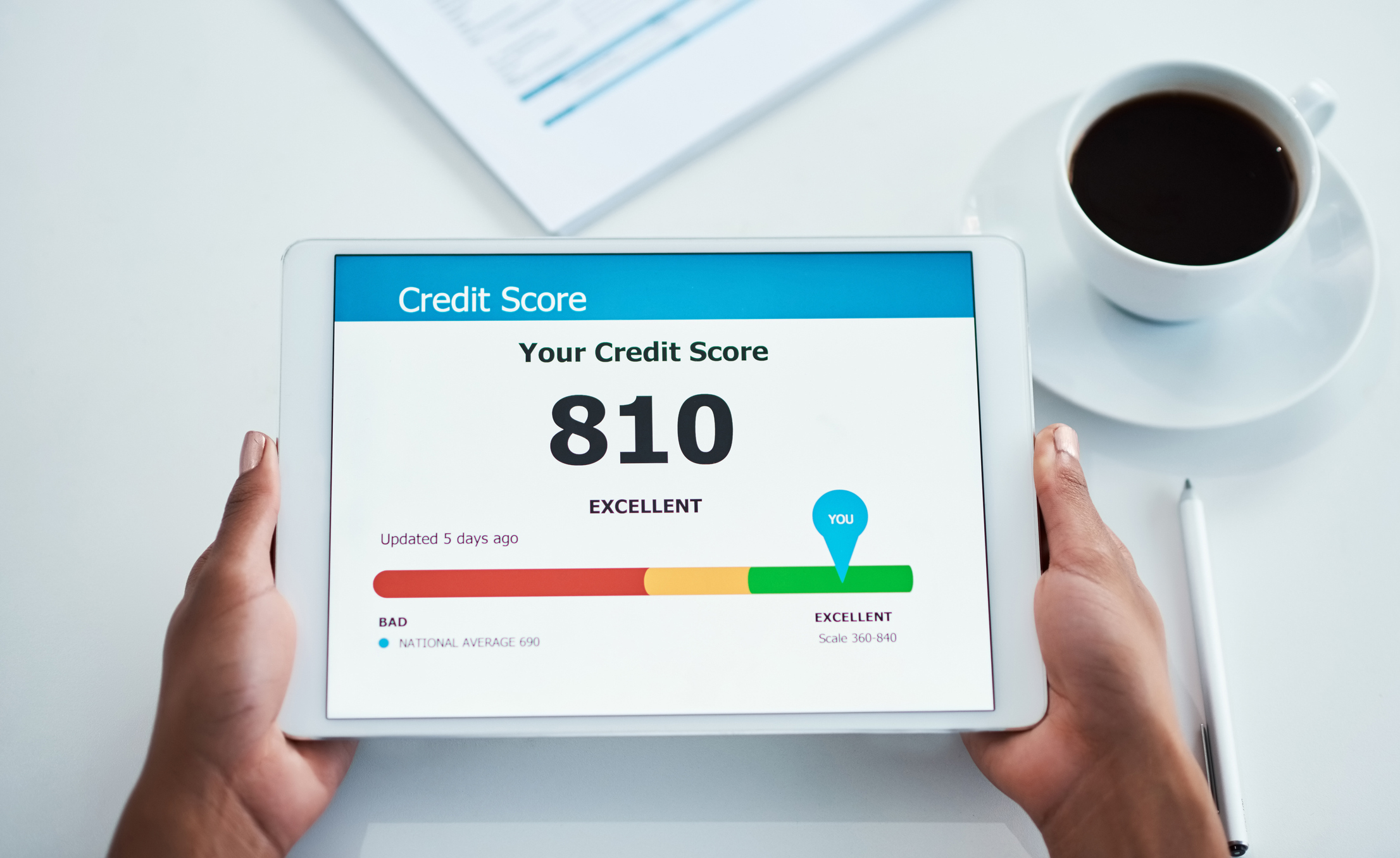
The financing process is also similar. The homebuyer will need to provide documentation and show a solid credit history to demonstrate that they are likely to be a good partner to invest in property ownership with.
However, underneath the surface, the contract is based on a completely different foundation via one of the models described above. The customer’s monthly payments will not include interest payments, as both the financing company earns its profit in more equitable ways compared to a conventional mortgage.
Additional Benefits of a Halal Mortgage
Not only does an authentic halal mortgage stand out for its adherence to Islamic principles, it actually provides additional benefits when compared with a traditional mortgage loan.
For example, in a halal mortgage, the Islamic financier shares certain risks with the homebuyer in accordance with Islamic principles, whereas in a traditional loan, the bank enjoys essentially guaranteed profit while shifting the risk onto the borrower.
Islamic finance principles protect the consumer.
How Can Muslims Choose a Good Islamic Home Finance Provider?
Not all Islamic financing offered in the United States is the same. Some so-called halal mortgages are actually provided by conventional banks. If a mortgage is provided by a bank or a bank affiliate, that means it is funded by riba.
In addition, Islamic financial transactions should be asset-backed, but banks are prohibited by law from owning real estate in the United States.
So it’s important to be careful when comparing Islamic mortgage products and checking their Shariah compliance.
Here are some factors families should consider when choosing Islamic financing:
- Authentic Model: The structure should genuinely follow Islamic principles — not just avoid interest in name, but incorporate true risk-sharing, asset ownership, and transparency.
- Muslim-Owned Business: A provider rooted in the community will better understand the values, concerns, and long-term goals of Muslim families. Avoid products backed by a bank as they are funded by riba.
- History and Track Record: Look for an institution with a proven record of delivering Shariah-compliant products reliably and serving customers with integrity over time.
- Qualified Shariah Oversight: The financing model should be reviewed and approved by credible scholars with expertise in Islamic finance.
- Transparency of Terms: All costs, obligations, and processes should be clearly explained, with no hidden fees or ambiguous clauses.
- Fair Pricing: Pricing should be competitive and structured in a way that reflects partnership and shared risk, not a disguised version of conventional interest.
- Customer Experience and Support: Responsive service, clear communication, and educational support can make a significant difference for homebuyers.
- Flexibility: Options for early payoff, refinancing, or handling financial hardship should be reasonable and clearly defined.
- Reputation and Reviews: Feedback from other customers, imams, and scholars can provide insight into how the institution operates in practice.
- Community Impact: Consider whether the organization reinvests in and supports the broader community, aligning financing with a greater social purpose.
How to Educate the Jama’ah About Halal Financing Best Practices
Muslim community leaders play a vital role in helping families navigate the often complex world of home financing while staying true to their faith. Thoughtful education can empower individuals to make informed, confident decisions that best serve our families and our communities as a whole.
Use Jum’ah Prayers
A khutbah is the first place to provide guidance on any religious topic. You can make use of jum’ah prayers to inform the community about the benefits of homeownership for stable families, and about options that exist for halal financing.
Host Workshops and Seminars
Organize regular educational sessions that break down common Islamic financing models like Musharakah, Murabaha, and Ijara. Bringing in qualified scholars and industry professionals can help bridge the gap between theory and real-world application.
Start with Foundational Knowledge
Begin by clearly explaining the principles of Islamic finance, such as the prohibition of riba (interest), the importance of risk-sharing, and the requirement for asset-backed transactions. Many community members may have heard these terms but lack a practical understanding of how they apply to homeownership.
Address Common Misconceptions
There is often confusion about what truly makes a financing model halal. Leaders should create space for open questions and address common misconceptions and concerns about whether certain products are genuinely compliant with Islamic guidelines or simply rebranded conventional loans.
Foster Trusted Partnerships
Work with a reputable Islamic finance provider who is aligned with your community’s values. You can invite them to engage directly with the community to provide education as well as to build trust and clarity.
Share Accessible Resources
Ask your contact at your Islamic home finance provider for resources you can share. They may have printed materials, FAQs, and recorded lectures that community members can revisit at their own pace.
Use Yourself as an Example
When leaders openly discuss their own experiences or decisions around halal financing, it builds confidence within the community.
By taking a proactive and educational approach, community leaders can ensure that halal home financing is not just available but understood, trusted, and accessible to the families they serve.
We’re Here to Help
At Guidance, we are here to help you support your community in attaining the benefits of Shariah-compliant homeownership.
Please feel free to reach out if you’re interested in resources or assistance in hosting an educational seminar.
We’re here to help your community learn more or get started with their home purchase.
Your Guidance Residential Account Executive is here to help with any questions. Looking to refinance or purchase? Have a friend or family member who is looking for a home? Call 1.866.Guidance, or start an application today.
Written in April 2026.